
Geology
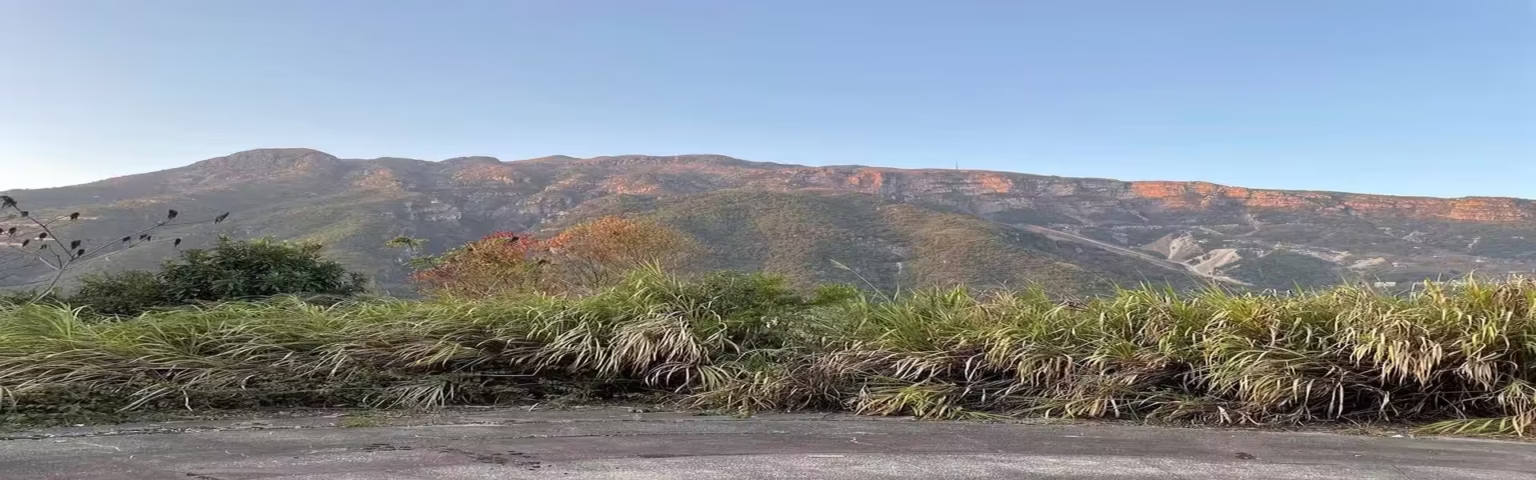
A late Jurassic granite intruded a sequence of Devonian and Carboniferous sedimentary rocks. Hydrothermal fluids from the cooling granite mineralized fractures with tungsten (wolframite, scheelite) as the primary economic targets, plus fluorite, calcite, quartz, arsenopyrite, beryl, and dozens of accessory species. The mine's commercial life depends on tungsten; specimens are an extraordinary byproduct.
The signature fluorite
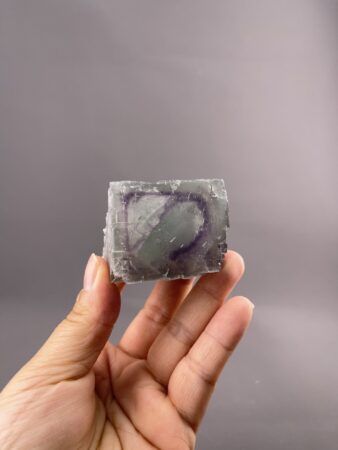
Purple-and-green color zoning, often as concentric phantoms inside a single crystal. The colors come from trace yttrium-cerium combinations responding to changes in oxidation state as the parent fluid cooled. 'Porcelain blue' fluorite — opaque cubes with a milky-blue tone — is unique to Yaogangxian and one of the most-requested specimens in modern collecting.
What else comes out
Scheelite (sometimes gem-quality), wolframite (large euhedral crystals — rare anywhere else), arsenopyrite (bright metallic prisms, often twinned), beryl (aquamarine and morganite), apatite, calcite, quartz. The mineralogical diversity is itself a feature of the locality.
Judging Yaogangxian fluorite quality
Start with the cubes themselves: sharp, undamaged edges and complete corners separate a top piece from an average one, because fluorite's perfect cleavage means knocks leave visible steps. Next look at the color zoning — the most prized specimens show crisp, high-contrast purple-and-green phantoms rather than muddy or washed-out banding. Transparency matters too; gemmy, glassy crystals command a premium over cloudy ones, though the opaque 'porcelain blue' is valued precisely for its unusual milky look.
Finally, weigh the matrix and the association. A balanced specimen where the fluorite sits naturally on quartz, with an accessory like arsenopyrite or scheelite for interest, generally outranks a single crystal pried off its base. Be wary of cleaved-and-polished faces presented as natural growth.
Associations to look for
Yaogangxian's appeal is partly that several wanted species share the same pockets. Arsenopyrite forms bright, silvery, often twinned prisms that contrast beautifully against purple fluorite. Wolframite occurs as black bladed crystals that are genuinely scarce as sharp specimens elsewhere, and scheelite can appear as pale, sometimes gemmy crystals that fluoresce blue-white under shortwave UV.
For a collector, a combination piece — fluorite with a well-placed crystal of arsenopyrite, scheelite, or beryl — tells the geological story of a tungsten-tin vein far better than a single species, and is usually the harder thing to find.
Care, display, and common mistakes
Purple and blue fluorite can fade with prolonged exposure to strong sunlight or UV, so display Yaogangxian pieces away from windows and behind UV-filtering glass where possible. Handle by the matrix, not the crystal, and avoid bumping the cube edges, since cleavage damage is the most common way these specimens lose value.
The frequent buyer mistakes are accepting a generic 'Hunan, China' label instead of the specific mine, overlooking repaired or reattached crystals, and paying gem-fluorite prices for cleaved fragments. Confirm the mine, inspect terminations under good light, and ask whether the piece has been cleaned, repaired, or treated.
Frequently asked questions
What is Yaogangxian Mine known for?
It is one of China's most celebrated fluorite localities, famous for purple-and-green color-zoned cubes and opaque 'porcelain blue' fluorite. It also produces fine scheelite, wolframite, arsenopyrite and beryl as byproducts of tungsten mining.
Where is the Yaogangxian Mine located?
It lies in Yizhang County, Chenzhou Prefecture, in southern Hunan Province, China. The deposit is hosted in fractures around a late Jurassic granite that intruded older sedimentary rocks.
Does Yaogangxian fluorite fade in sunlight?
Strongly colored purple and blue fluorite can pale with extended exposure to direct sun or intense UV. Display it away from windows and, ideally, behind UV-filtering glass to preserve the color.
What makes Yaogangxian 'porcelain blue' fluorite special?
It is an opaque, milky-blue cubic fluorite with a distinctive porcelain-like surface that collectors associate specifically with this mine. Its unusual look and limited supply make it one of the most requested modern Chinese specimens.