Pyrite
Curated by Maggie Liu · Updated:
Pyrite is a sulfide mineral known for its striking metallic crystals, with several world-class Chinese localities.
About Pyriteextended article
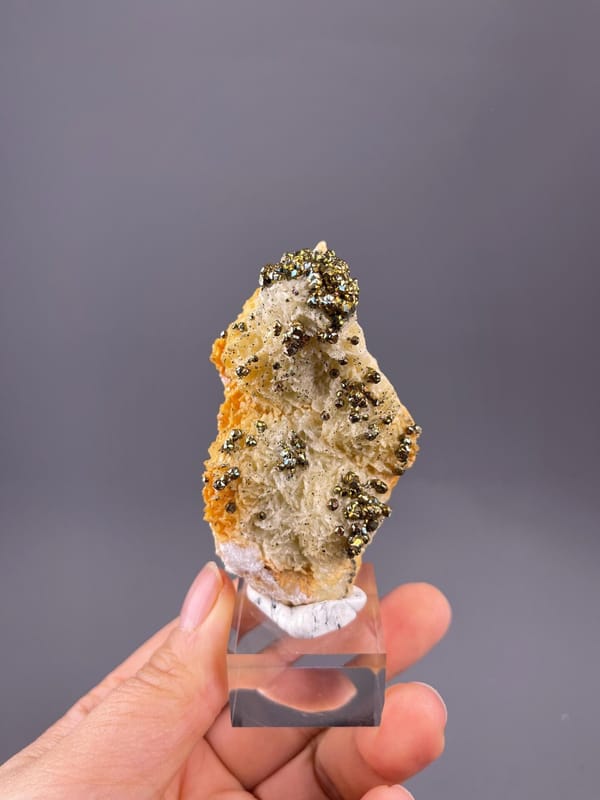
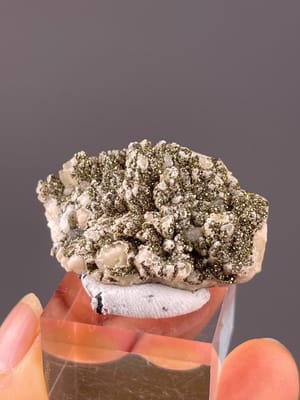
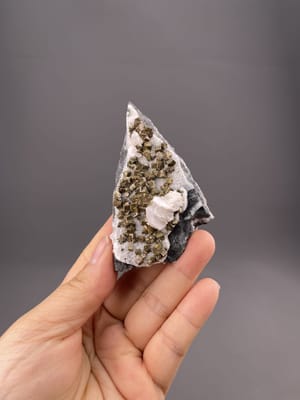
Pyrite is the most common sulfide mineral and a minor ore of iron and sulfur. Its pale brass-yellow colour and bright metallic lustre earned it the nickname 'fool's gold', but its crisp geometric crystals — cubes, pyritohedra and octahedra, often with striated faces — make it one of the most recognisable and collectable of all minerals.
Identifying pyrite
Pyrite is hard (6–6.5), brittle, and brass-yellow with a greenish-black streak — harder and paler than real gold, which is soft and yellow-streaked. The cube faces typically carry fine parallel striations that rotate 90° from face to face, a diagnostic feature. It forms in an enormous range of settings, from sedimentary rocks to hydrothermal veins.
Where it is found
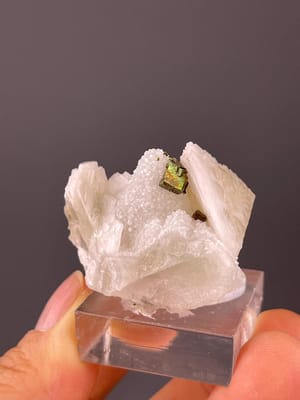
Pyrite is found worldwide; Spain (Navajún) is celebrated for perfect free-floating cubes and Peru for complex bright crystals. In China, pyrite is abundant in many sulfide deposits, and the Shangbao mine in Hunan Province is internationally known among collectors for lustrous striated cubes and disc-like crystals, some with a colourful iridescent tarnish.
What collectors look for
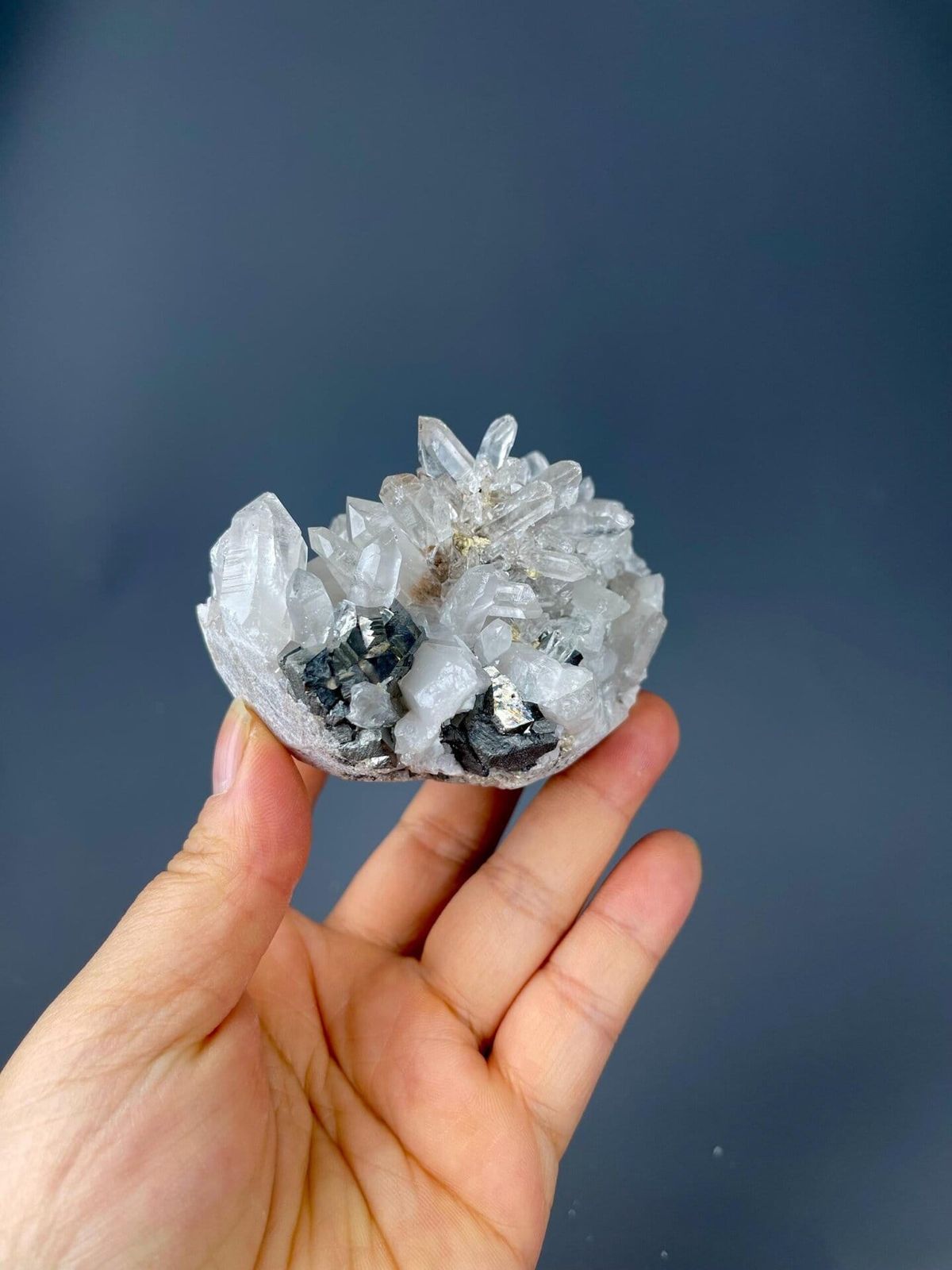
Sharp, undamaged crystals with bright untarnished faces are the prize. Chinese Shangbao iridescent pyrite, Spanish perfect cubes, and aesthetic pyrite associations with quartz or fluorite command the most interest.
About Pyrite
Pyrite is a sulfide mineral in the pyrite group and has the chemical formula FeS₂. It crystallizes in the isometric system and has a distinctive metallic presence in any collection. Its combination of structural character and global distribution make it a recognized species in both systematic and aesthetic collections.
Identification & care
Specimens usually show cubic, octahedral, pyritohedral; striated cube faces; massive, nodular. Its color is typically pale brass-yellow. The luster is metallic, the streak is greenish-black to brownish-black, and specimens are typically opaque. The cleavage is poor/indistinct on {001}. The fracture is irregular/uneven, conchoidal, which aids identification.
Collector context
How it forms
In terms of geology, Pyrite forms in hydrothermal veins, sedimentary (diagenetic), metamorphic, magmatic. It is commonly found in association with galena, sphalerite, chalcopyrite, quartz, calcite.
Classic Chinese localities
Pyrite also appears as a secondary or late-stage occurrence at 1 additional Chinese localities.
Why collectors care
Pyrite is among the most visually dramatic sulfides and native metals a collector can own. Bright metallic faces, sharp crystal geometry, and good matrix contrast make a single well-selected piece carry an entire cabinet; luster integrity and termination sharpness ultimately define its collector value.
What affects value
Value in Pyrite is assessed, in typical order of weight, against: (1) locality provenance; (2) crystal size; (3) termination quality and crystal completeness; (4) metallic luster integrity (absence of tarnish); (5) crystal habit elegance (parallel, radiating, or bladed); (6) matrix contrast and aesthetic balance; (7) condition and absence of re-attached crystals. Verified locality documentation and absence of cleaning residue act as strong multipliers across the above.
Naming history
Pyrite is Greek for "the stone that strikes fire" — pyritēs lithos, from pyr, fire. Struck against steel it throws sparks, and that property, not its brassy colour, is what named it and what made it a fire-starting tool long before it was a collector's mineral. The same root gives us pyre, pyrotechnics and pyrometer. Its more famous nickname, fool's gold, is far younger and far less deserved.
Frequently asked questions
What is Pyrite?
Pyrite has the chemical formula FeS₂, crystallises in the Isometric system, has a Mohs hardness of 6–6.5. Pyrite is a sulfide mineral known for its striking metallic crystals, with several world-class Chinese localities.
What is the chemical formula of Pyrite?
The chemical formula of Pyrite is FeS₂.
What crystal system does Pyrite belong to?
Pyrite crystallises in the Isometric crystal system.
Where is Pyrite found?
Notable localities for Pyrite include Yaogangxian Mine, Dabaoshan Polymetallic Mine, Hunan Province, Hubei Province, Daye, Hubei.
Is Pyrite rare?
As a collector mineral, Pyrite is generally considered common.
Related minerals
Available Pyrite specimens
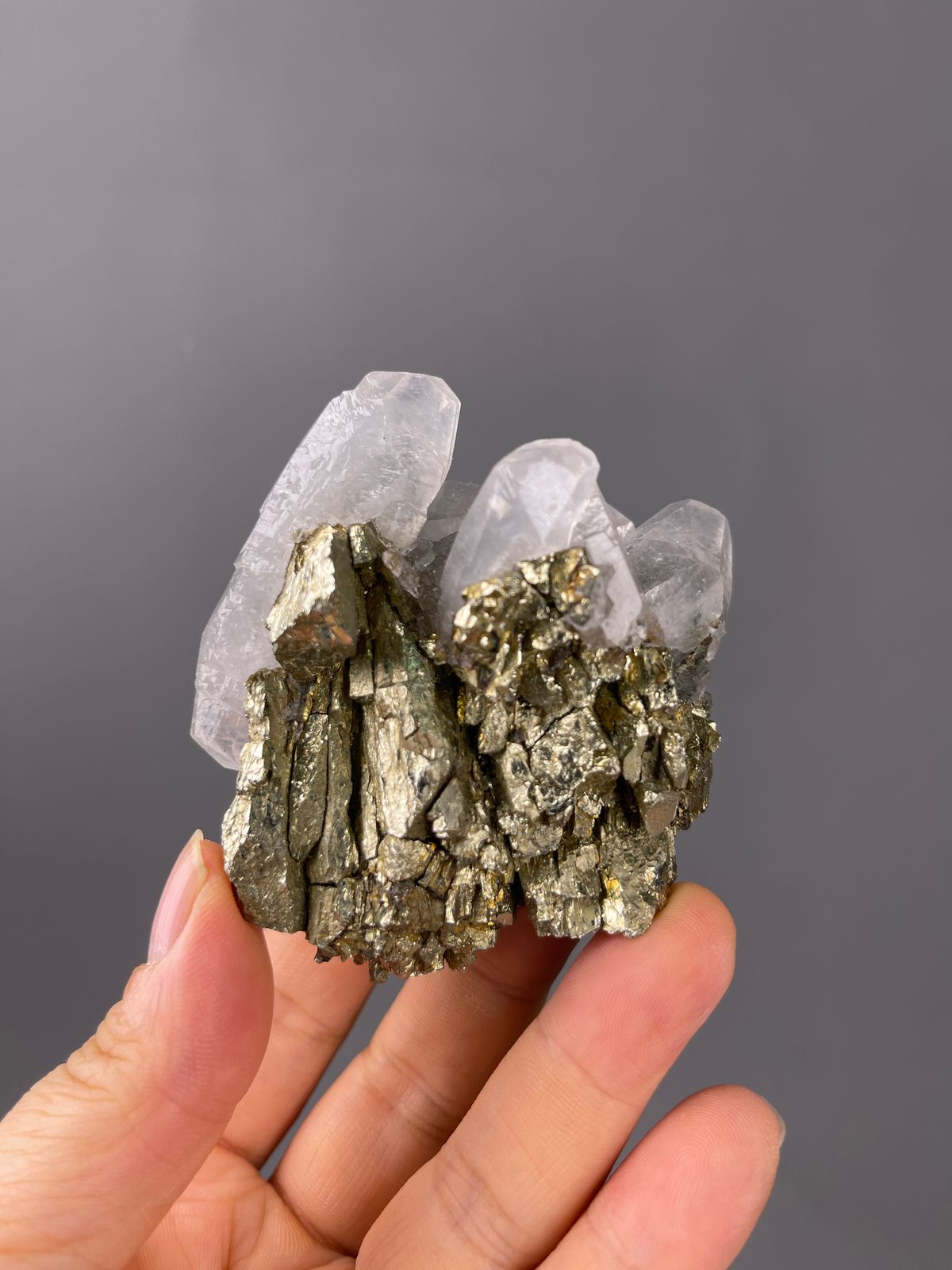
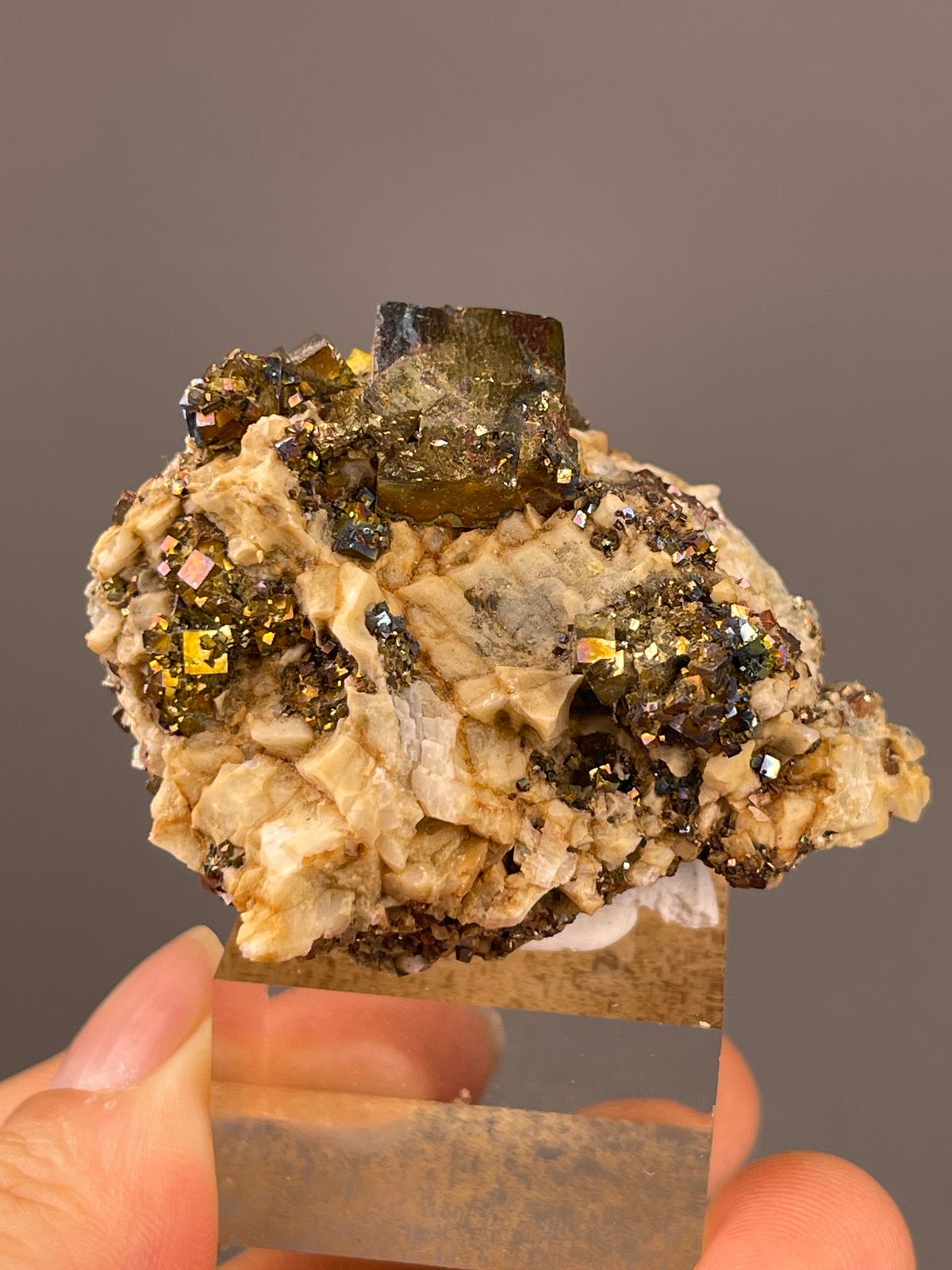
Silver Pyrite with Quartz — Shangbao Mine, Hunan, China
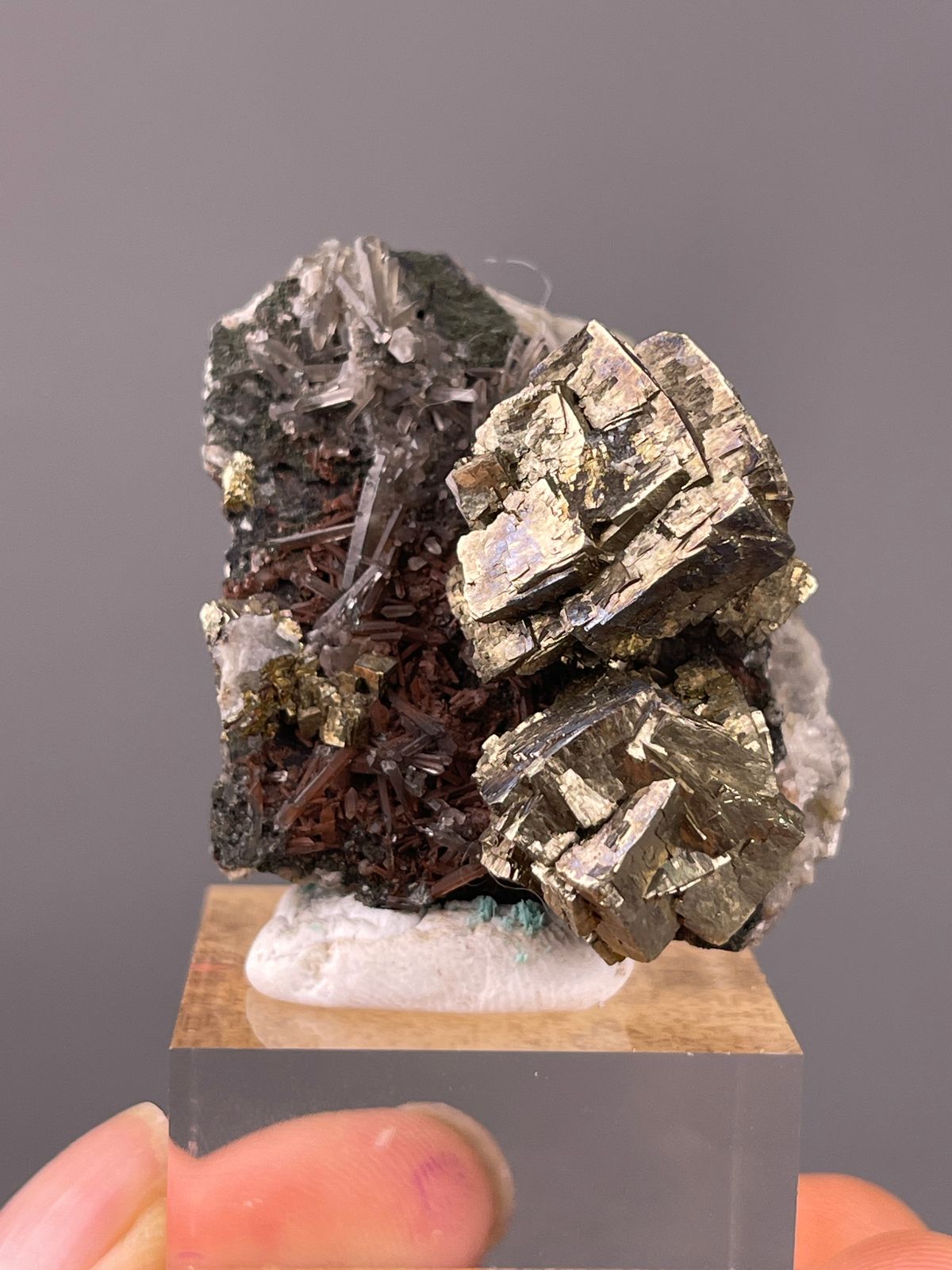
Mirror-luster Pyrite — Shangbao Mine, Hunan, China
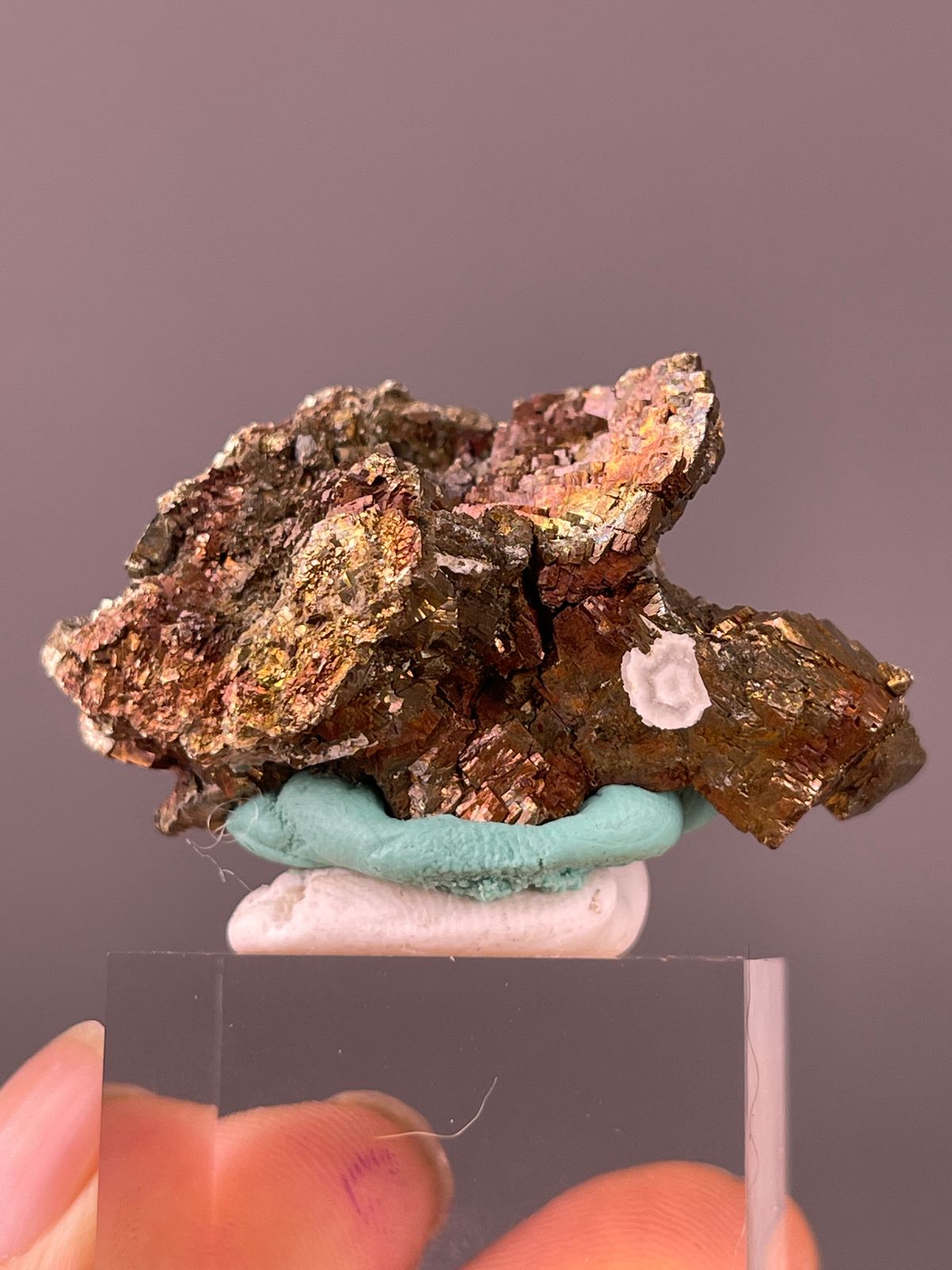
Silver Pyrite with Hematite and Quartz — Longyan, Fujian, China
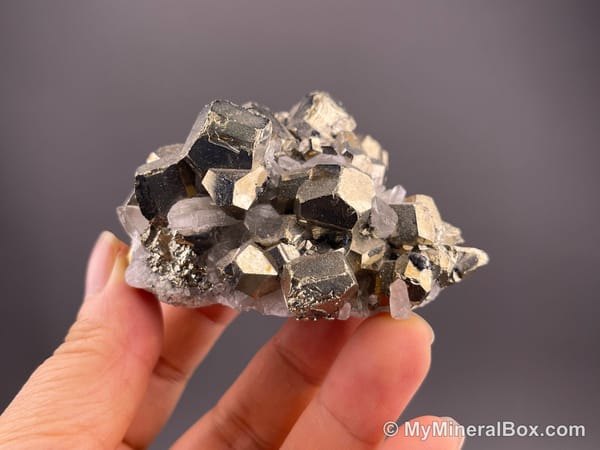
Brown Pyrite with Calcite — Longyan, Fujian, China
Pyrite with Quartz — Peru
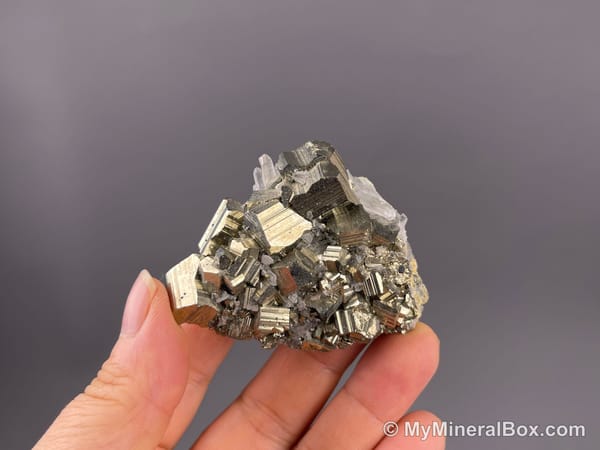
Brassy Pyrite Cluster with Quartz, Peru
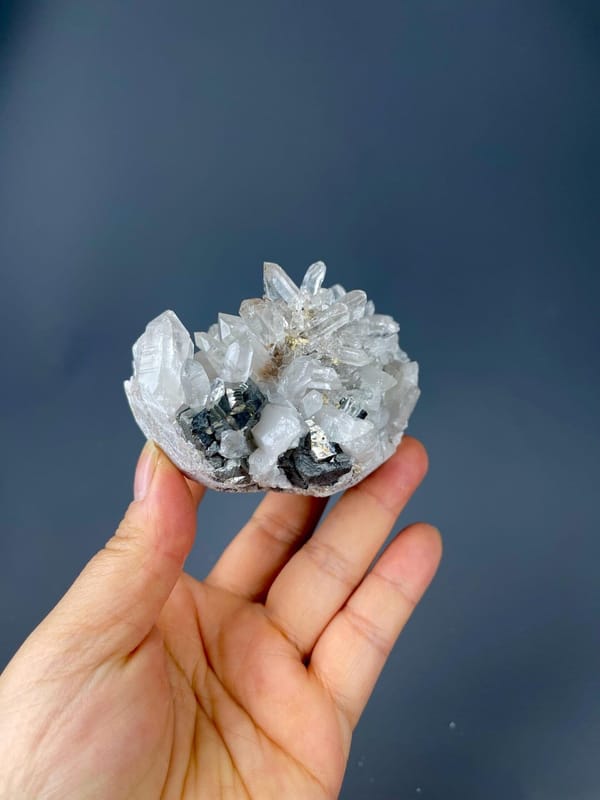
Quartz and Pyrite Geode, Yaogangxian Mine, China
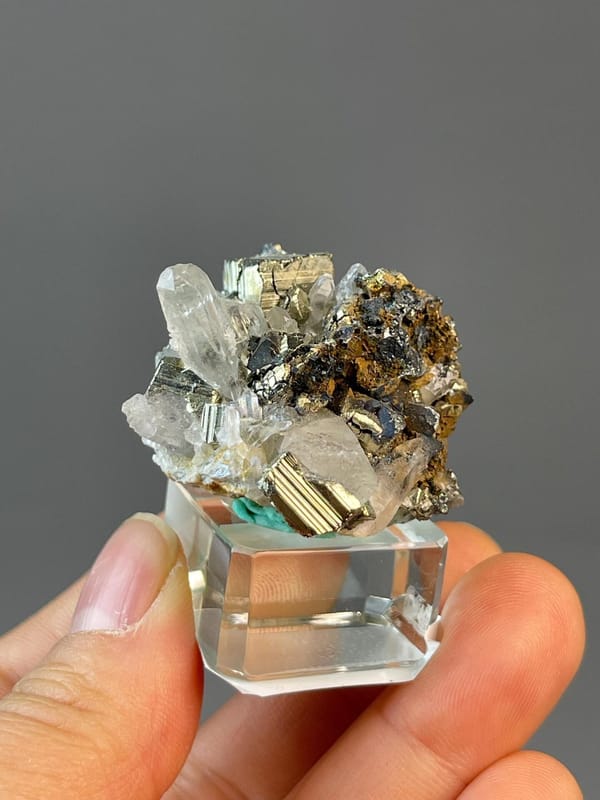
Striated Pyrite Crystals with Quartz, Spain
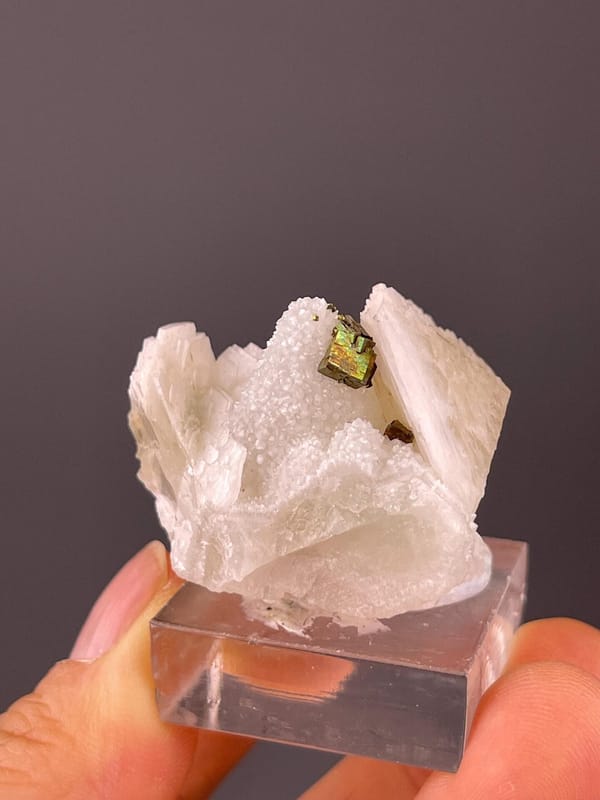
Iridescent Pyrite on Quartz with White Blades – Fujian, China
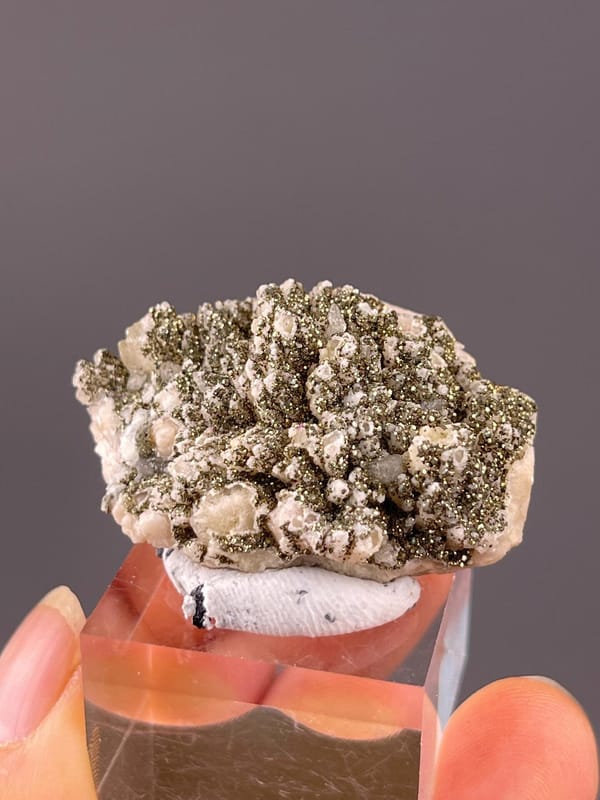
Pyrite on Dolomite Matrix – Hunan, China
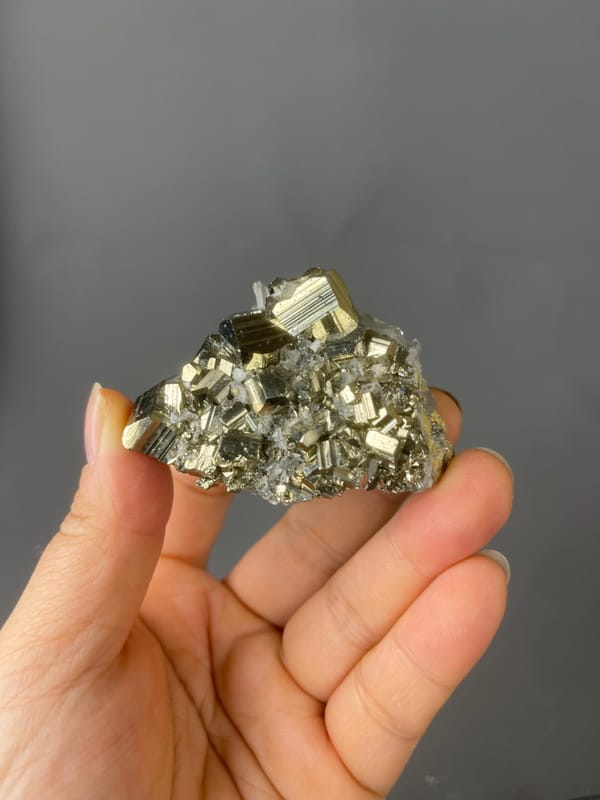
Striated Golden Pyrite with Quartz, Spain
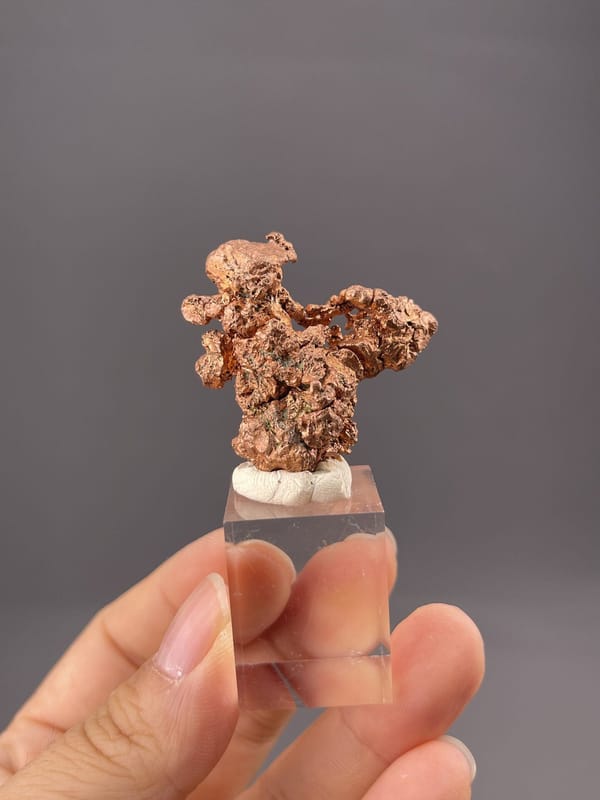
Pyrite Crystal – Druzy Form – Daye Mine, Huangshi, Hubei
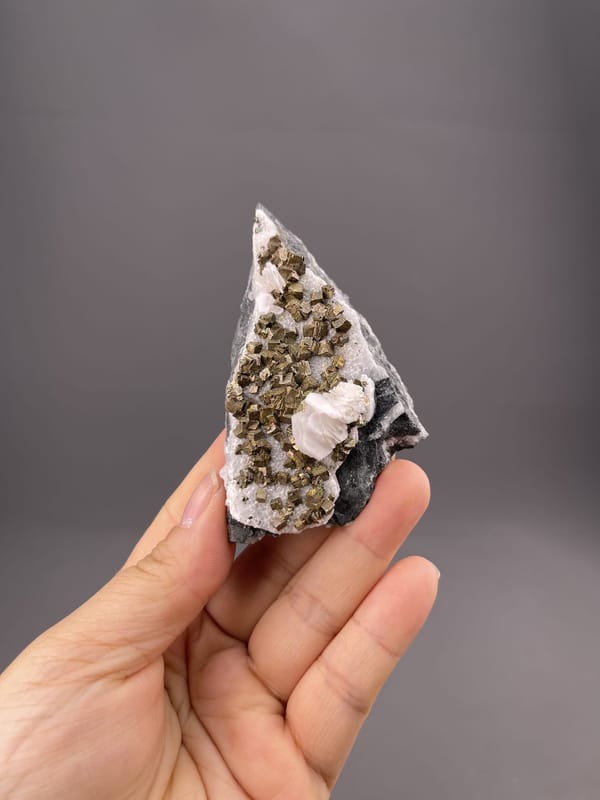
Pyrite Crystals on Calcite Matrix, Tonglushan Mine, Daye
Recently sold Pyrite specimens
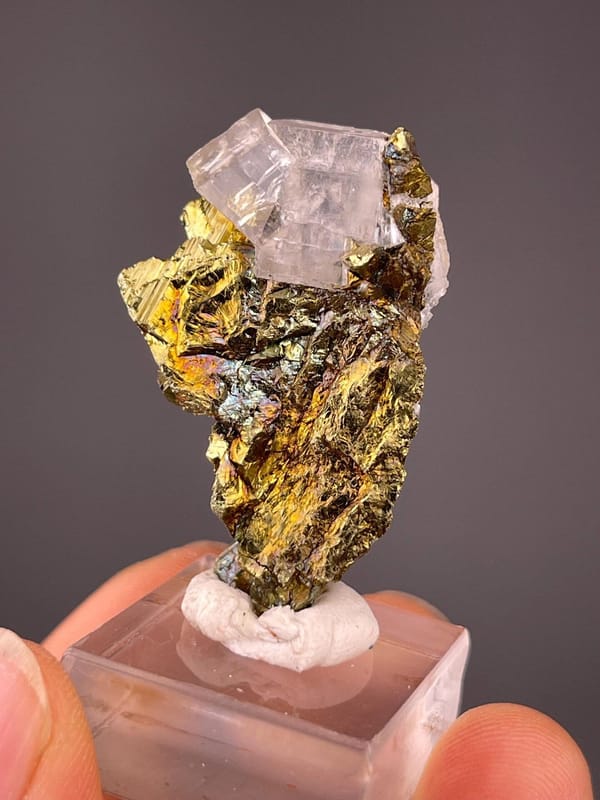
Pyrite and Calcite Crystal Cluster, Daye, Hubei, China
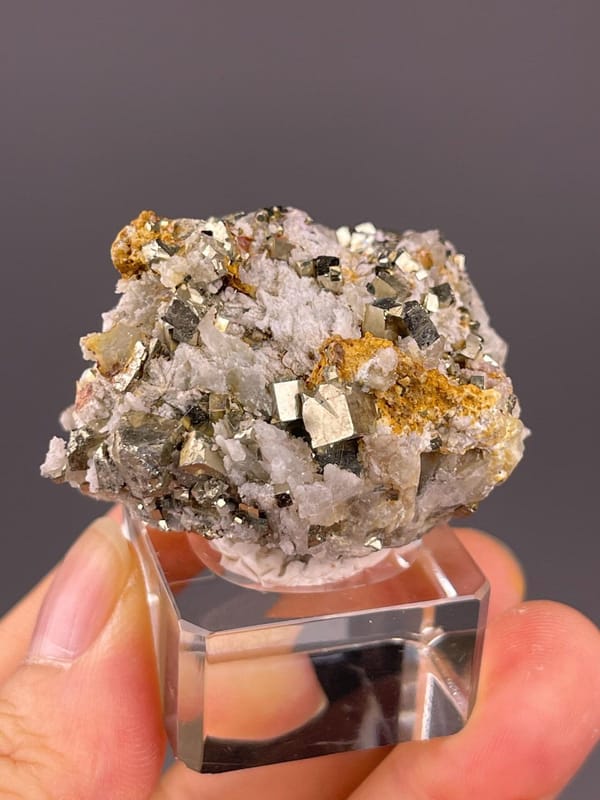
Pyrite Cluster – Raw Cubic Crystals on Matrix – Spain
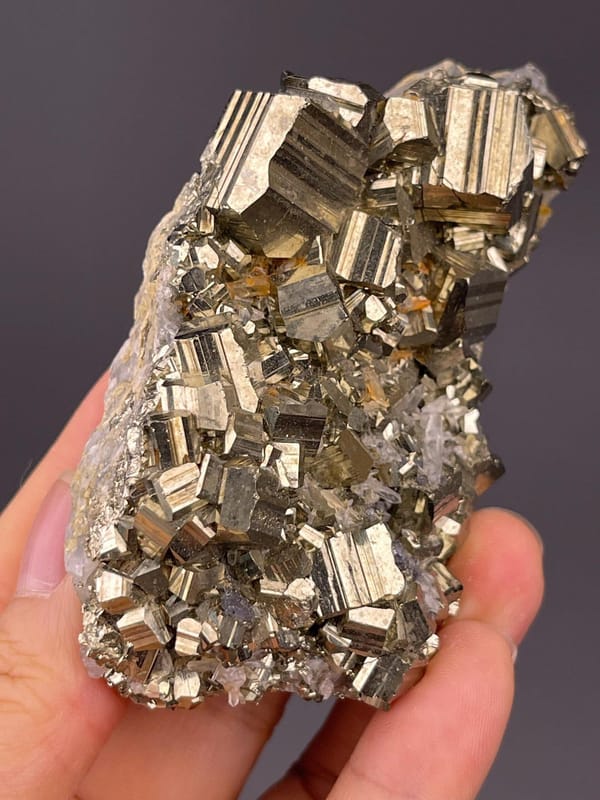
Cubic Pyrite Cluster – Mirror Faces – Navajún, La Rioja, Spain
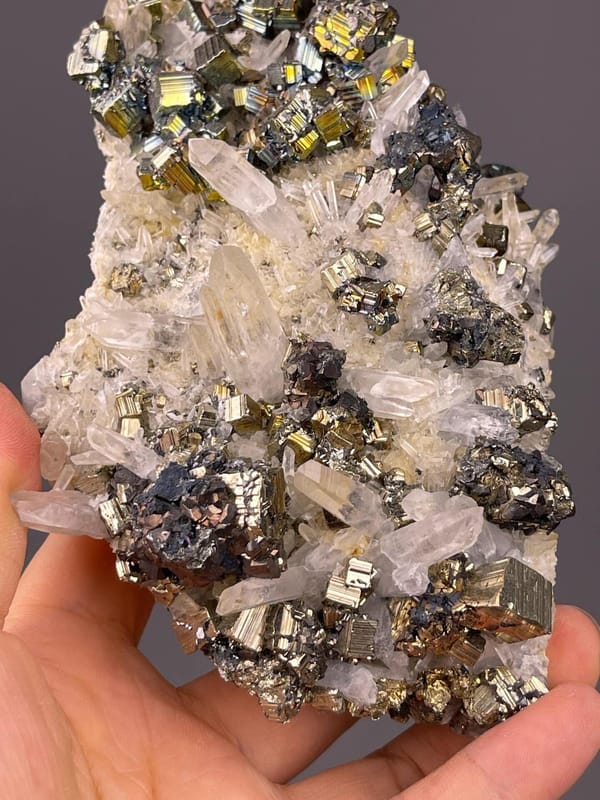
Cubic Pyrite Cluster – Navajún, La Rioja, Spain
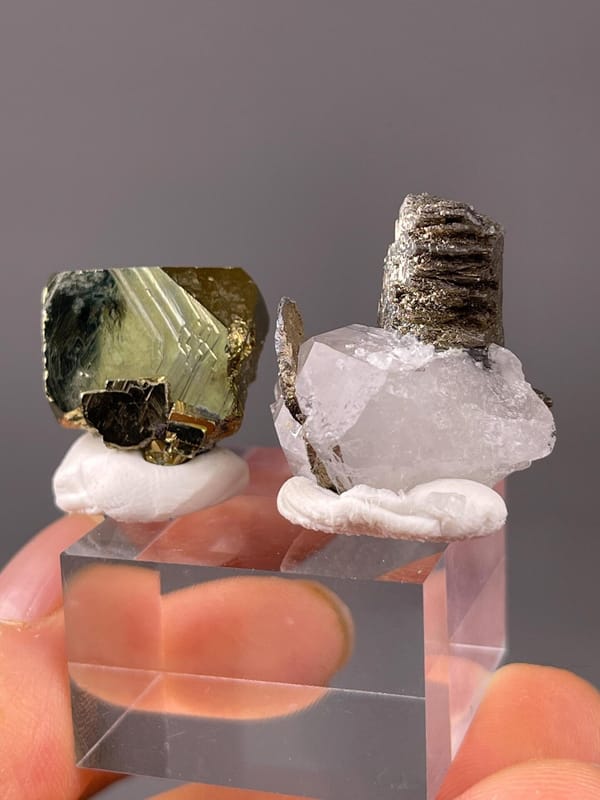
Chalcopyrite and Iron Ore Specimen Set – Yaogangxian