
Sapphire
Curated by Maggie Liu · Updated:
Sapphire is the gem-grade variety of corundum (aluminum oxide, Al2O3) in any color other than red. Blue is the iconic hue, but pink, yellow, green, and color-change variants are all valued.
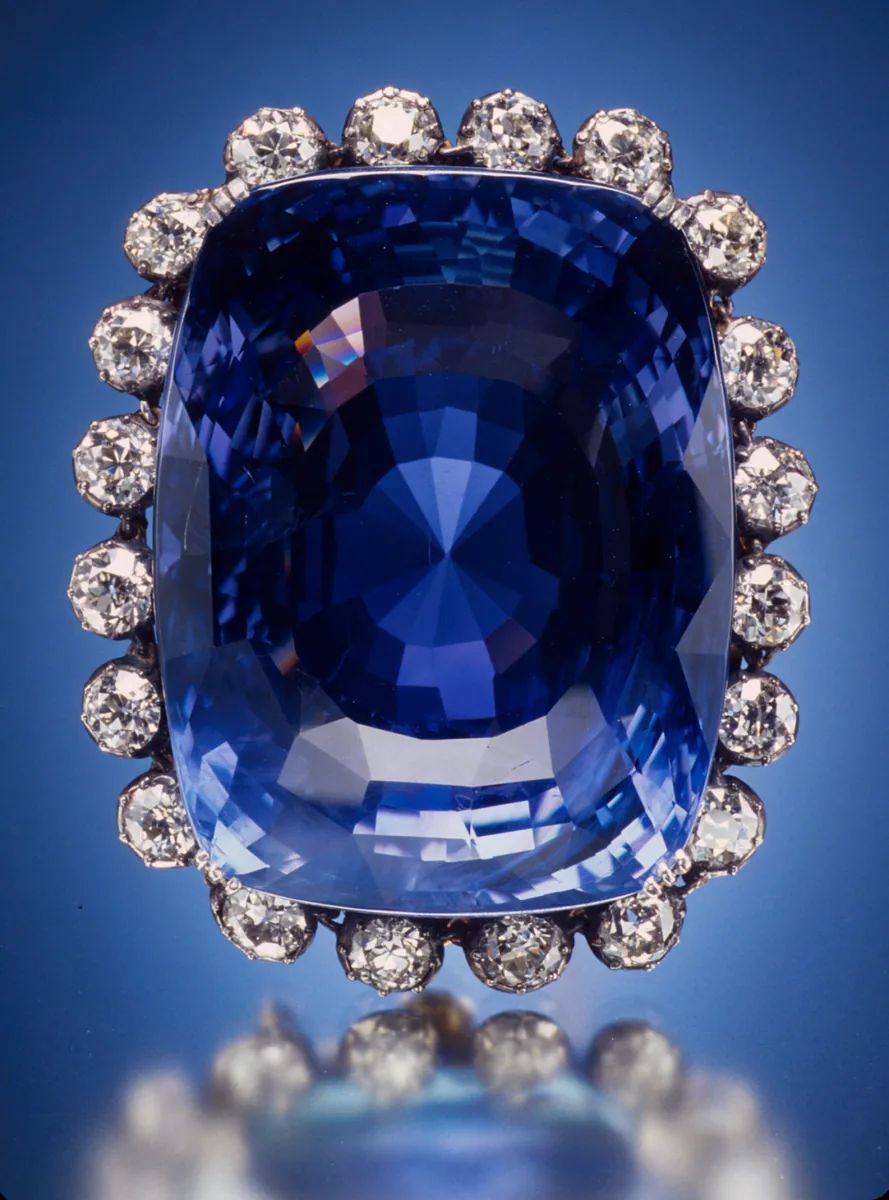
About Sapphireextended article
Sapphire is the gem variety of corundum (aluminium oxide) in every colour except red — red corundum is called ruby. The classic blue is caused by traces of iron and titanium together; sapphire also occurs in yellow, pink, green, purple and the rare pinkish-orange 'padparadscha'.
Properties
Corundum is trigonal and very hard (9), second only to diamond, giving sapphire excellent durability for jewellery. Rutile 'silk' inclusions can yield star sapphires and also help distinguish natural from synthetic stones.
Occurrence
Kashmir, Myanmar and Sri Lanka produced the legendary historic blues; today Madagascar, Australia, Thailand and East Africa are leading sources. Heat treatment to improve colour and clarity is routine and should be disclosed.
About Sapphire
Sapphire is corundum, the second-hardest natural mineral after diamond. Its blue color comes from trace titanium and iron substituting for aluminum in the crystal lattice. Sapphire forms in metamorphic and igneous rocks and weathers into alluvial gem gravels in tropical settings. Major sources include Kashmir (historic and exhausted), Burma (Mogok), Sri Lanka, Madagascar, Australia, Thailand, and Montana.
Identification & care
Sapphire ranks 9 on the Mohs scale with a specific gravity around 3.99. It crystallizes in the trigonal system as barrel-shaped or tabular crystals with hexagonal cross-section. Luster is vitreous to adamantine, no cleavage, conchoidal fracture. Doubly refractive (uniaxial negative) with a refractive index of 1.76 to 1.77. The combination of extreme hardness, density, and characteristic crystal form distinguishes it from blue spinel and iolite.
Collector context
Collector notes
Mineral specimens of sapphire — as opposed to faceted gems — are highly collectible when they retain crystal form on matrix. Kashmir cornflower-blue material is essentially unobtainable; Sri Lankan and Madagascan crystals are the most accessible high-quality specimens. Heating to improve color is universal in the gem trade but reduces specimen value when disclosed.
Frequently asked questions
What is Sapphire?
Sapphire has the chemical formula Al2O3, crystallises in the Trigonal system, has a Mohs hardness of 9. Sapphire is the gem-grade variety of corundum (aluminum oxide, Al2O3) in any color other than red. Blue is the iconic hue, but pink, yellow, green, and color-change variants are all valued.
What is the chemical formula of Sapphire?
The chemical formula of Sapphire is Al2O3.
What crystal system does Sapphire belong to?
Sapphire crystallises in the Trigonal crystal system.
Where is Sapphire found?
Notable localities for Sapphire include Mogok, Mogok Valley, Ratnapura.
Related minerals
Looking for a Sapphire specimen?
Our inventory is one-of-a-kind and turns over quickly. Tell us what you're after — species, size, budget — and we'll notify you when a matching Sapphire arrives from our sourcing network.
Request this mineral