
Uraninite
Curated by Maggie Liu · Updated:
Uraninite is an oxide mineral recognized among collectors for its crystal form and distribution, with notable Chinese occurrences.
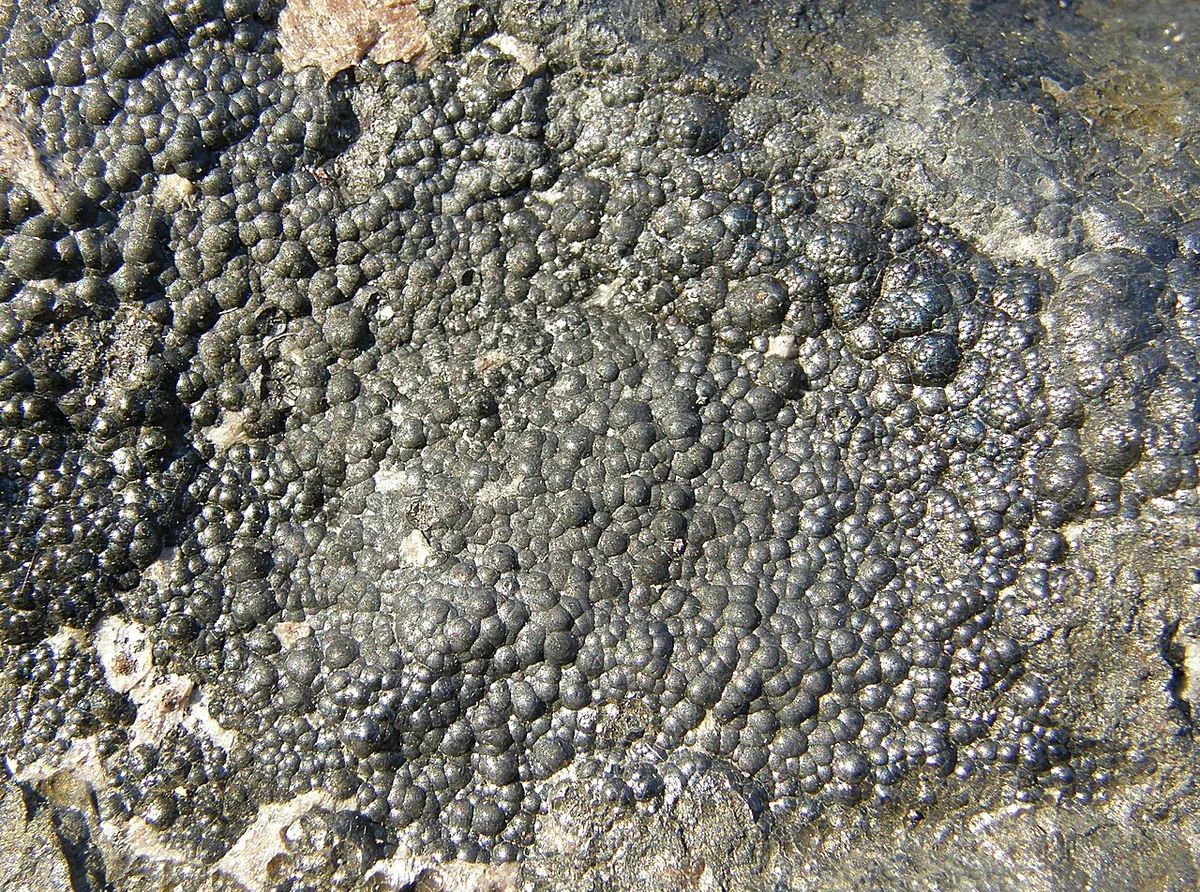
About Uraninite
Uraninite is an oxide mineral in the uraninite group / fluorite supergroup and has the chemical formula UO2 (to UO2.67). It crystallizes in the isometric system and holds a steady position among oxide species.
Identification & care
Crystals commonly develop as cubic crystals (octahedra or cubes) — relatively rare; typically massive (pitchblende — resinous, botryoidal); also disseminated. Its color range is broad, including black, brownish-black, grayish-black (pitchblende/massive), and gray to greenish-brown (altered). The luster is sub-metallic, greasy, dull (massive pitchblende), the streak is grayish to olive-brown, and specimens are typically opaque. The cleavage is indistinct {001}. The fracture is conchoidal to uneven; often metamict, which aids identification.
Collector context
Collector notes
Among collectors of crystallized species, Uraninite is a recognized reference. Documented Chinese occurrences are recorded at Xihuashan ore field, among others.
Frequently asked questions
What is Uraninite?
Uraninite has the chemical formula UO2, crystallises in the Isometric system. Uraninite is an oxide mineral recognized among collectors for its crystal form and distribution, with notable Chinese occurrences.
What is the chemical formula of Uraninite?
The chemical formula of Uraninite is UO2.
What crystal system does Uraninite belong to?
Uraninite crystallises in the Isometric crystal system.
Where is Uraninite found?
Notable localities for Uraninite include Jáchymov (Joachimsthal).
Is Uraninite rare?
As a collector mineral, Uraninite is generally considered very rare.
Related minerals
Looking for a Uraninite specimen?
Our inventory is one-of-a-kind and turns over quickly. Tell us what you're after — species, size, budget — and we'll notify you when a matching Uraninite arrives from our sourcing network.
Request this mineral