
Gejiu Mine
Curated by Maggie Liu · Updated:
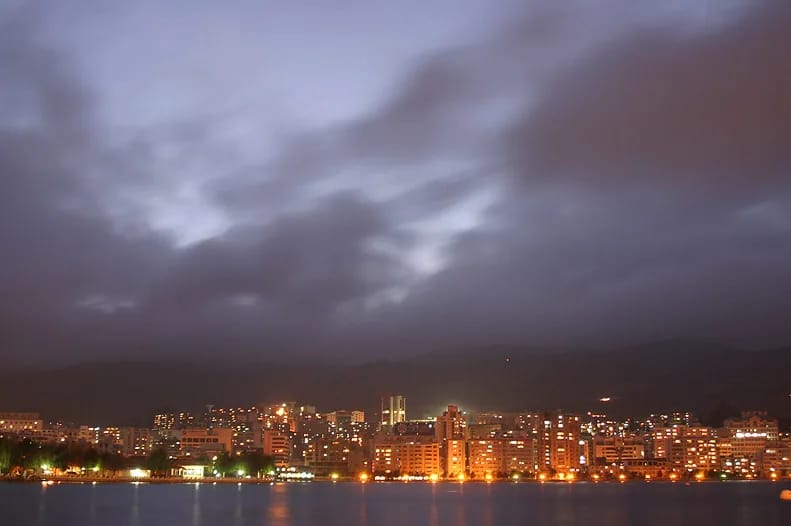
Gejiu (个旧) in Yunnan is historically known as the "Tin Capital of the World," one of the largest tin-polymetallic districts on Earth. It produces cassiterite, fluorite, calcite, and a suite of sulfide and arsenide minerals.
About Gejiu Mineextended article
The "Tin Capital of the World"
The Gejiu district in southeastern Yunnan is one of the world's largest tin-producing areas, with a mining history reaching back more than two thousand years. The deposits are tin-polymetallic (Sn–Cu–Pb–Zn), formed where granitic intrusions meet carbonate host rocks, producing skarn and replacement ore bodies.
What Gejiu is known for
- Cassiterite — the primary tin ore, in collectable crystals
- Purple and green fluorite
- Calcite, arsenopyrite, pyrrhotite, and löllingite
- Datolite and other skarn-associated species
Collector value
Sharp cassiterite crystals, saturated fluorite, and well-formed calcite are the value drivers. As with most long-worked Chinese districts, fine crystallised specimens from the classic pockets are increasingly difficult to source at original quality.
Frequently asked questions
Where is Gejiu Mine?
Gejiu Mine is a mineral locality in Yunnan, China. It lies at approximately 23.3600°N, 103.1500°E.
What minerals are found at Gejiu Mine?
Signature minerals from Gejiu Mine include Fluorite, Calcite, Arsenopyrite, Datolite, Cassiterite. The locality lies in Yunnan, China, and each mineral links to a full reference entry with formula, crystal system, and collector notes.
What is Gejiu Mine known for?
Gejiu (个旧) in Yunnan is historically known as the "Tin Capital of the World," one of the largest tin-polymetallic districts on Earth. It produces cassiterite, fluorite, calcite, and a suite of sulfide and arsenide minera…
Looking for specimens from Gejiu Mine?
Our inventory is one-of-a-kind and turns over quickly. Tell us what you're after and we'll notify you when a matching Gejiu Mine specimen arrives from our sourcing network.
Request a specimen