Xikuangshan, Lengshuijiang
Curated by Maggie Liu · Updated:
About Xikuangshan, Lengshuijiangextended article
The world's antimony capital
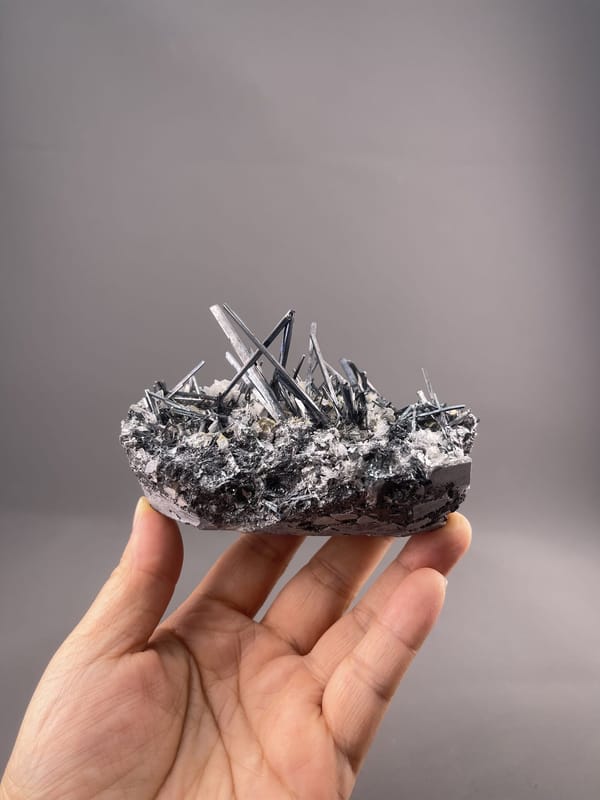
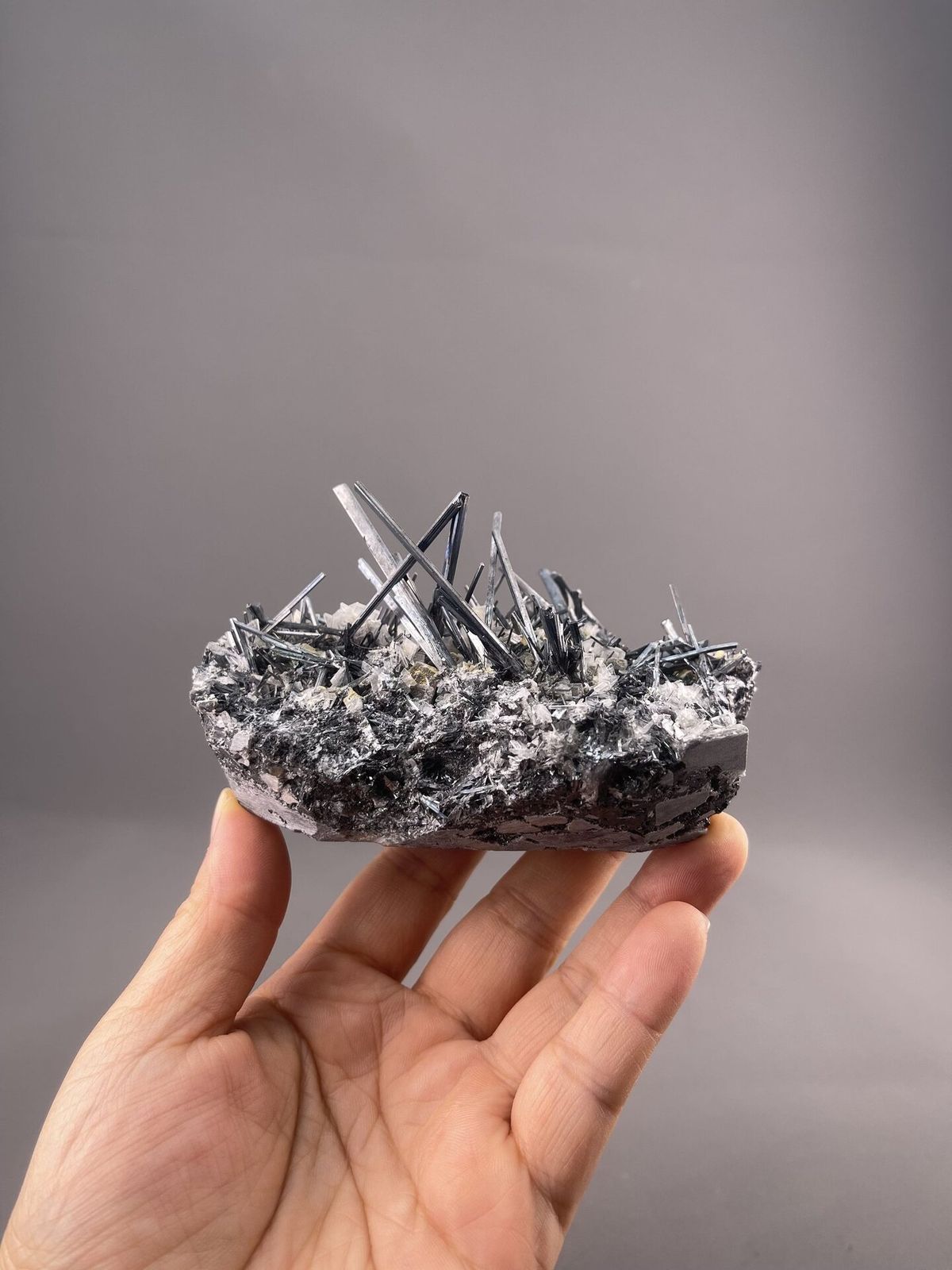
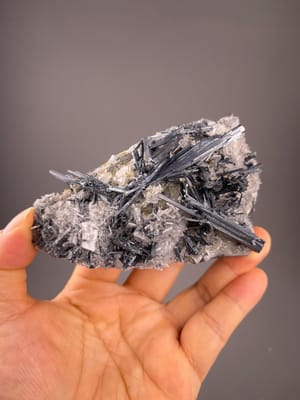
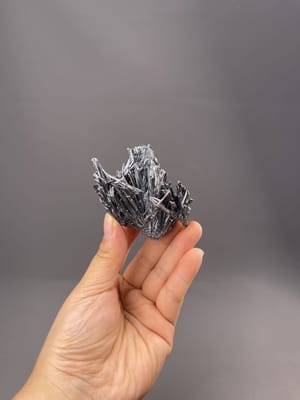
Xikuangshan, near Lengshuijiang in Loudi, Hunan, is the largest antimony deposit on Earth and the locality every collector associates with Chinese stibnite. The ore bodies sit in silicified Devonian limestone, and the species list is short and honest: stibnite above all, with quartz, calcite and barite as the recorded companions and oxidation coatings such as stibiconite on weathered pieces.
What collectors look for
Classic material means striated lead-gray prisms, columnar groups and radiating needle sprays — sometimes with the iridescent tarnish that divides taste but proves nothing about treatment either way. Because the crystals are soft (around Mohs 2) and brittle, condition drives value: intact terminations, clean contacts, and honestly disclosed repairs.
Reading labels honestly
"Lengshuijiang Mine" on old labels names the city, not a mine. The honest levels are Xikuangshan when the original label states it, Lengshuijiang, Hunan for area-level attributions, and Hunan, China when nothing narrower is supported — the province has other stibnite sources, so a bare province label must not borrow Xikuangshan's name.
Frequently asked questions
Is all Chinese stibnite from Xikuangshan?
No. Xikuangshan is the most famous source, but Hunan and other provinces have additional stibnite localities. A specimen belongs to Xikuangshan only when its label says so.
Is stibnite safe to display at home?
Yes, with normal practice: stable display away from food and children, hand-washing after handling, and no dust-generating cleaning.
Why are repaired stibnite sprays so common?
The crystals are soft, brittle and often long and thin, so transport damage is frequent. A disclosed repair is a condition fact; an undisclosed one is the problem.
Where is Xikuangshan, Lengshuijiang?
Xikuangshan, Lengshuijiang is a mineral locality in Hunan, China. It lies at approximately 27.7500°N, 111.4900°E.
What minerals are found at Xikuangshan, Lengshuijiang?
Signature minerals from Xikuangshan, Lengshuijiang include Stibnite. The locality lies in Hunan, China, and each mineral links to a full reference entry with formula, crystal system, and collector notes.
What is Xikuangshan, Lengshuijiang known for?
The Xikuangshan antimony deposit near Lengshuijiang, Loudi, Hunan — the world's largest antimony deposit and the classic source of Chinese stibnite: lead-gray prisms and needle sprays with quartz, calcite and barite.
Specimens from Xikuangshan, Lengshuijiang
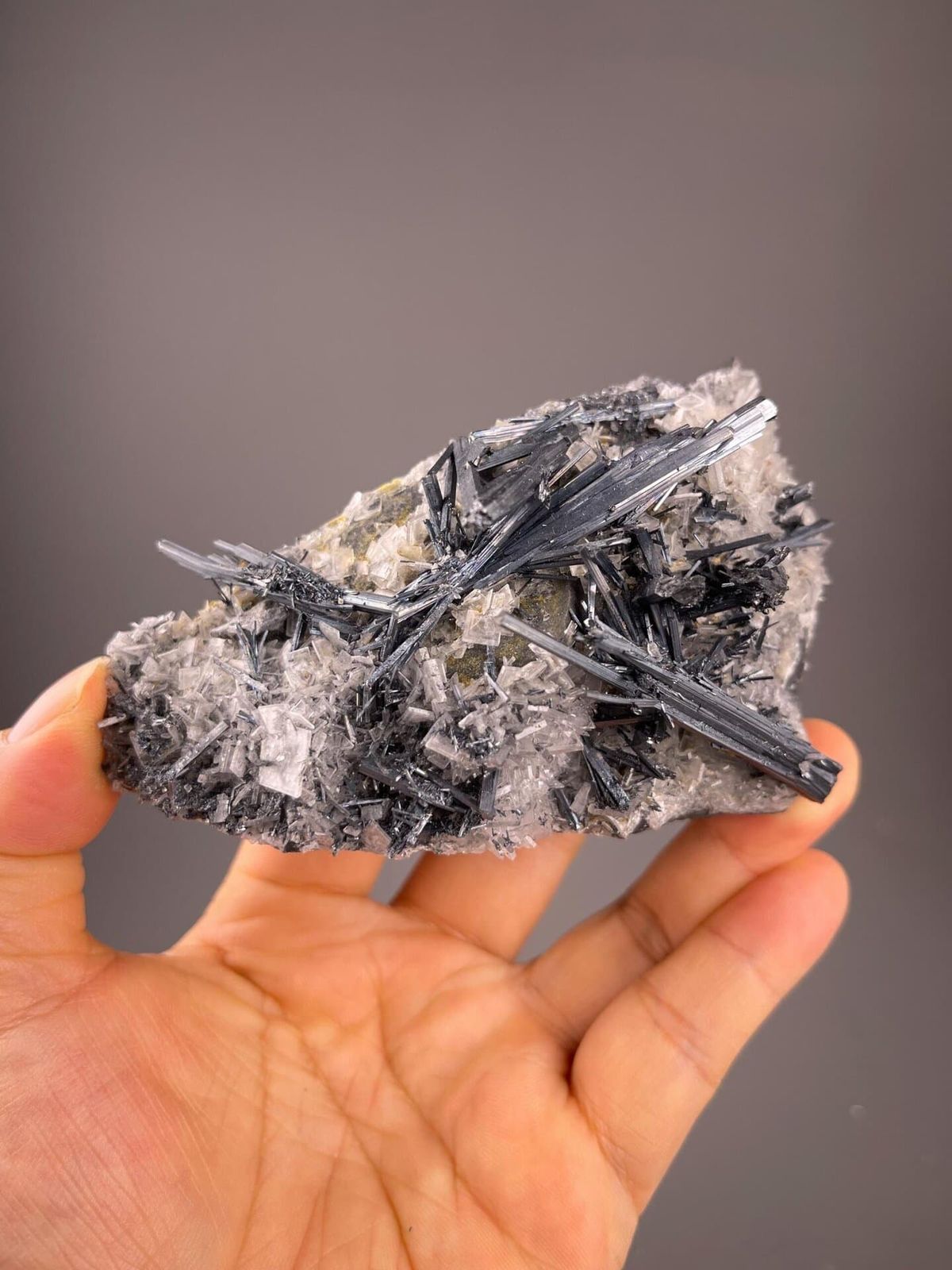
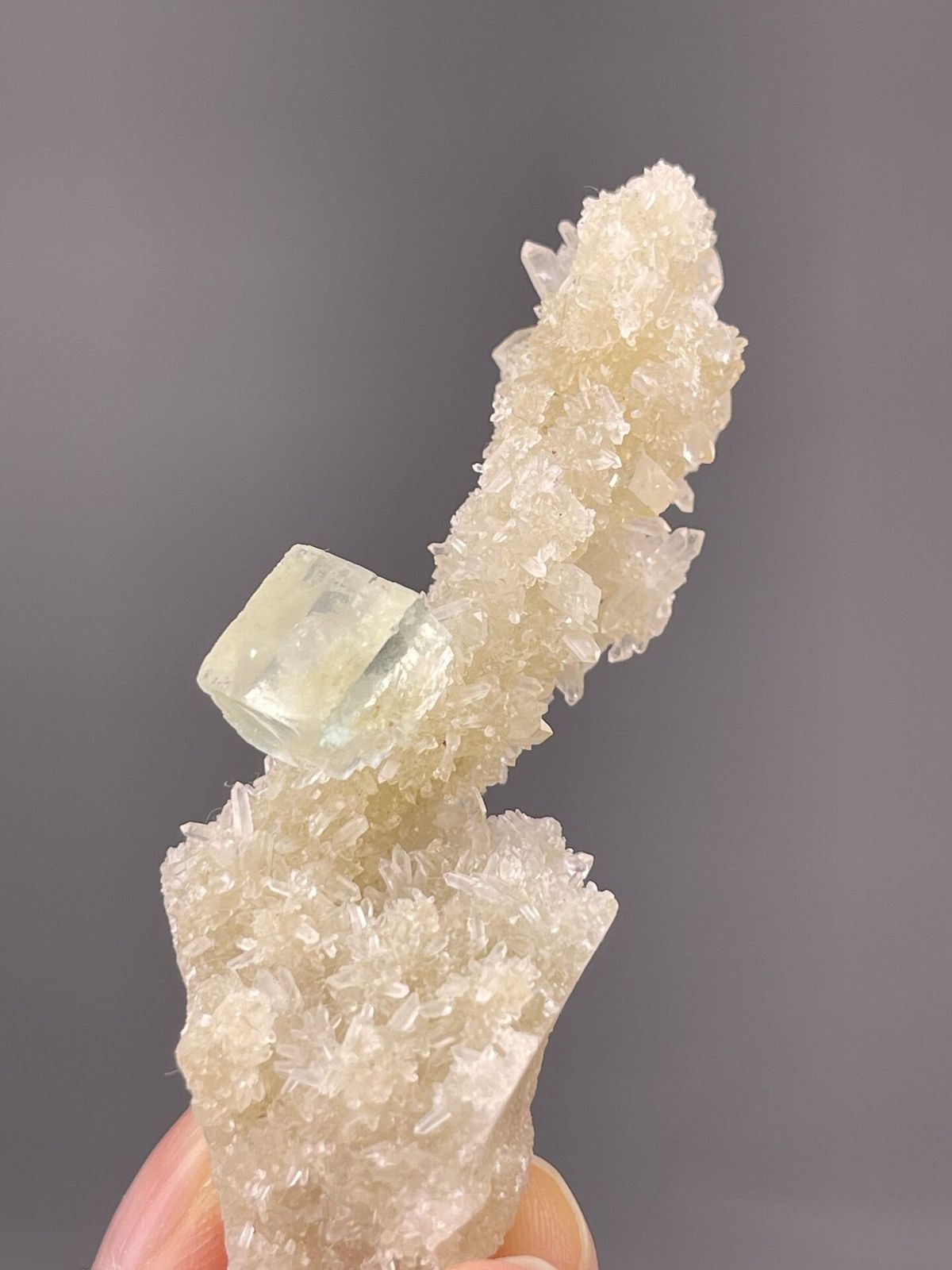
Stibnite Cluster with Barite, Lengshuijiang, Hunan
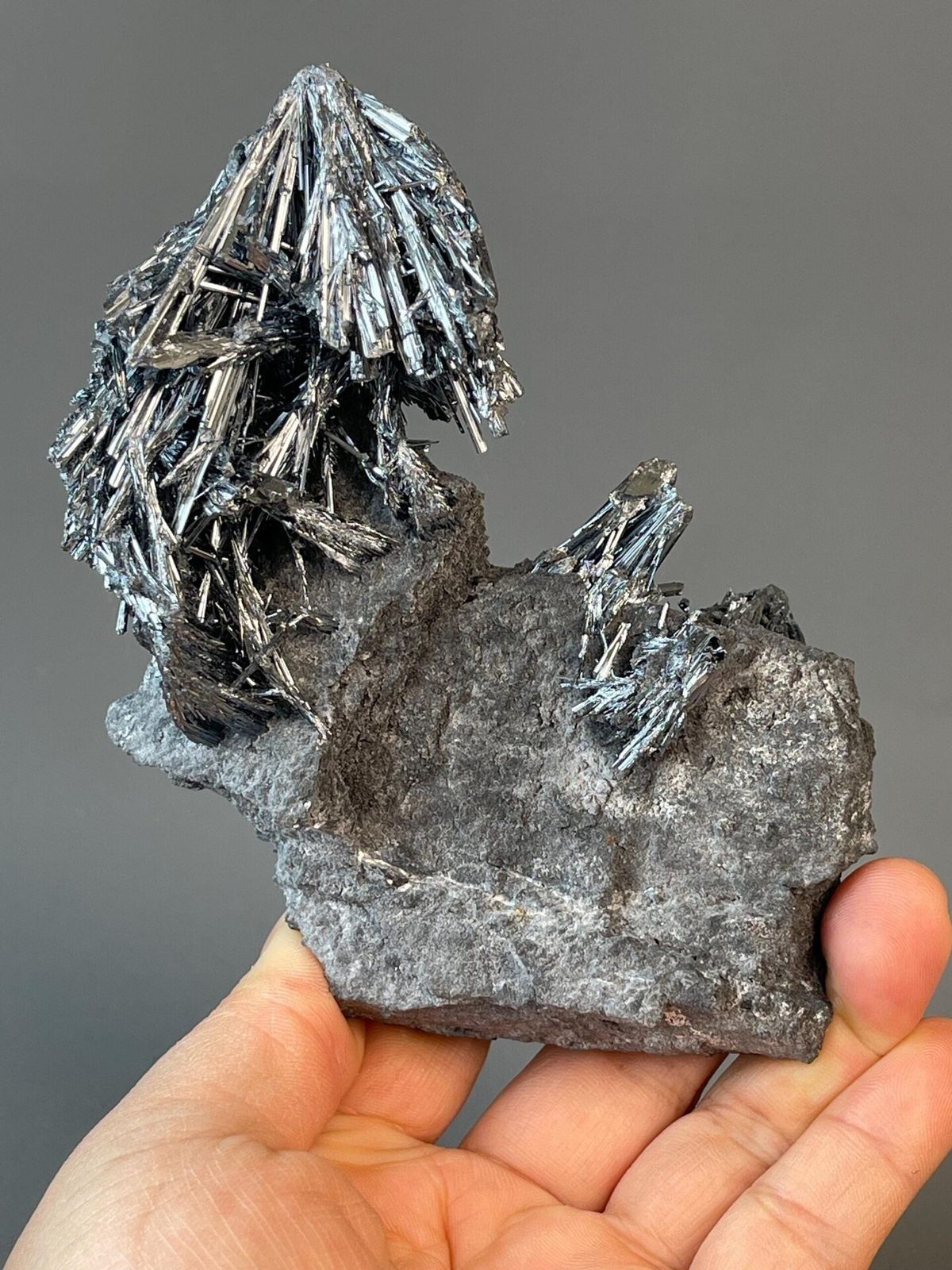
Stibnite Crystals – Metallic Brilliance – Lengshuijiang, Hunan
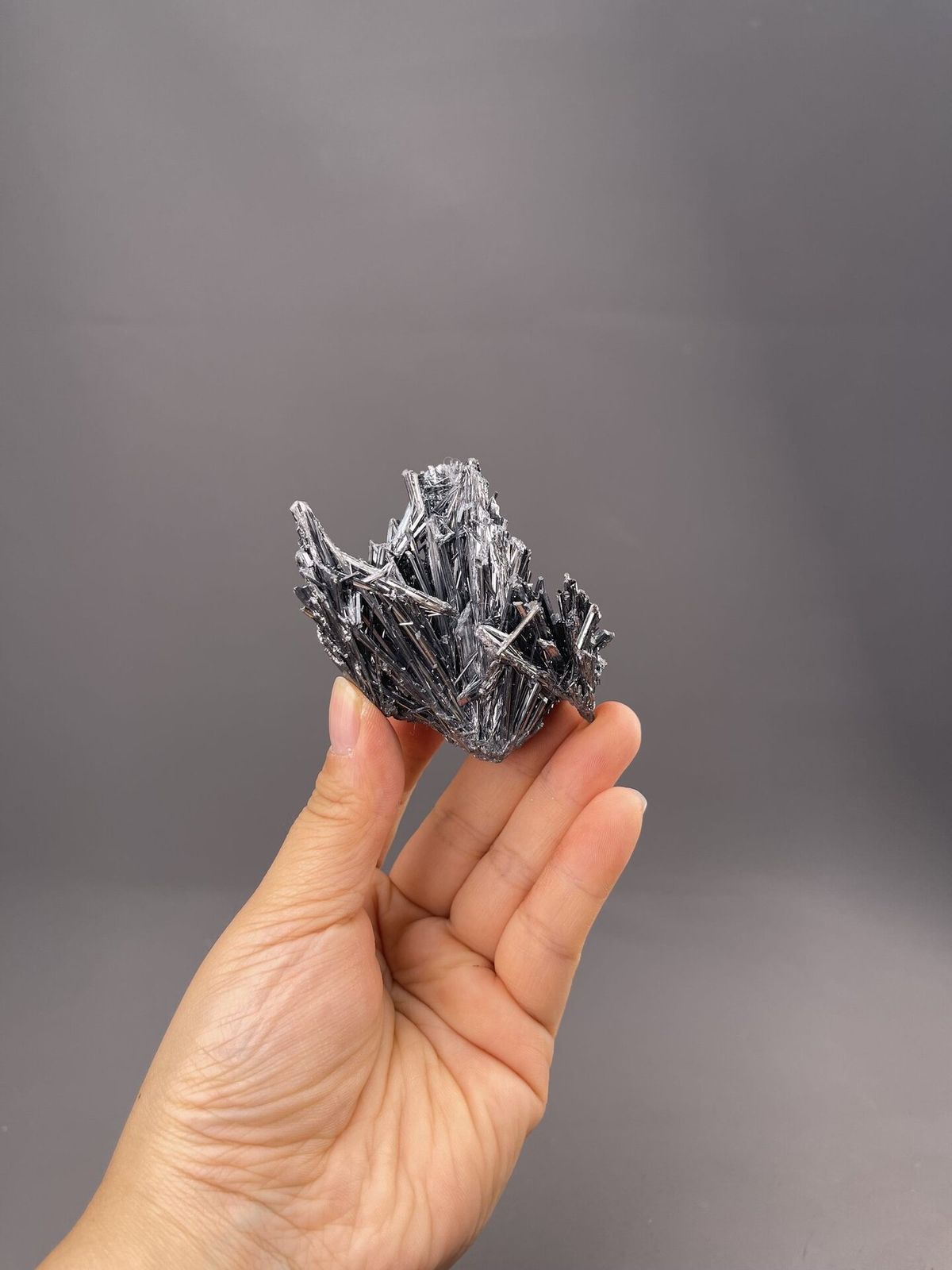
Stibnite Crystals – Acicular Radiating Form – Lengshuijiang, Hunan
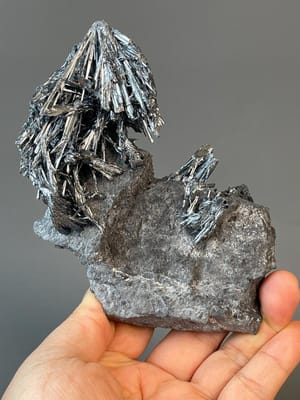
Stibnite Crystal – Columnar Form – Lengshuijiang Mine, Hunan
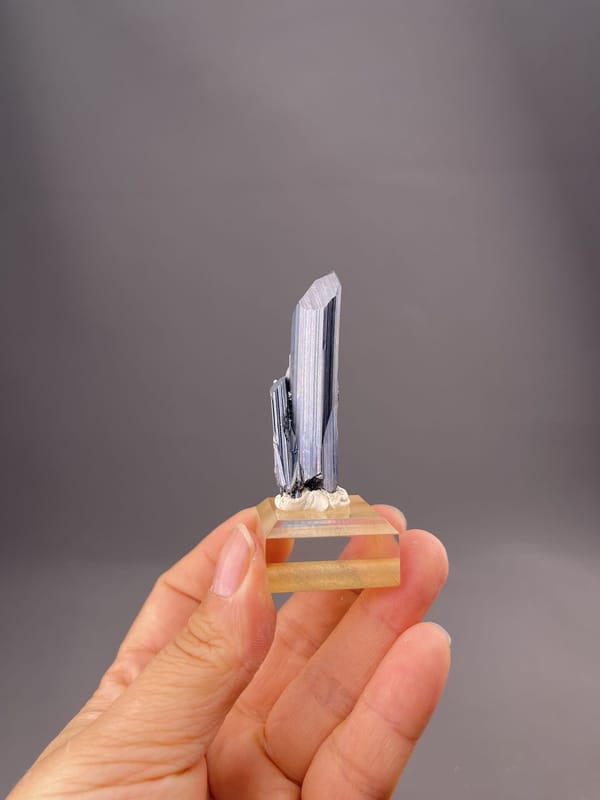
Stibnite Crystal – Prismatic Form – Lengshuijiang, Hunan
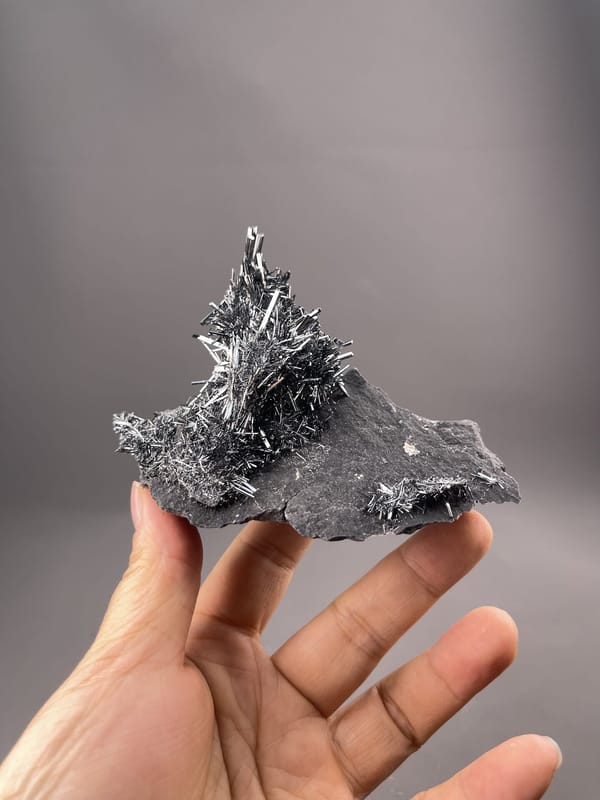
Stibnite Crystals, Lengshuijiang, China