
Maoniuping REE Mine
Curated by Maggie Liu · Updated:
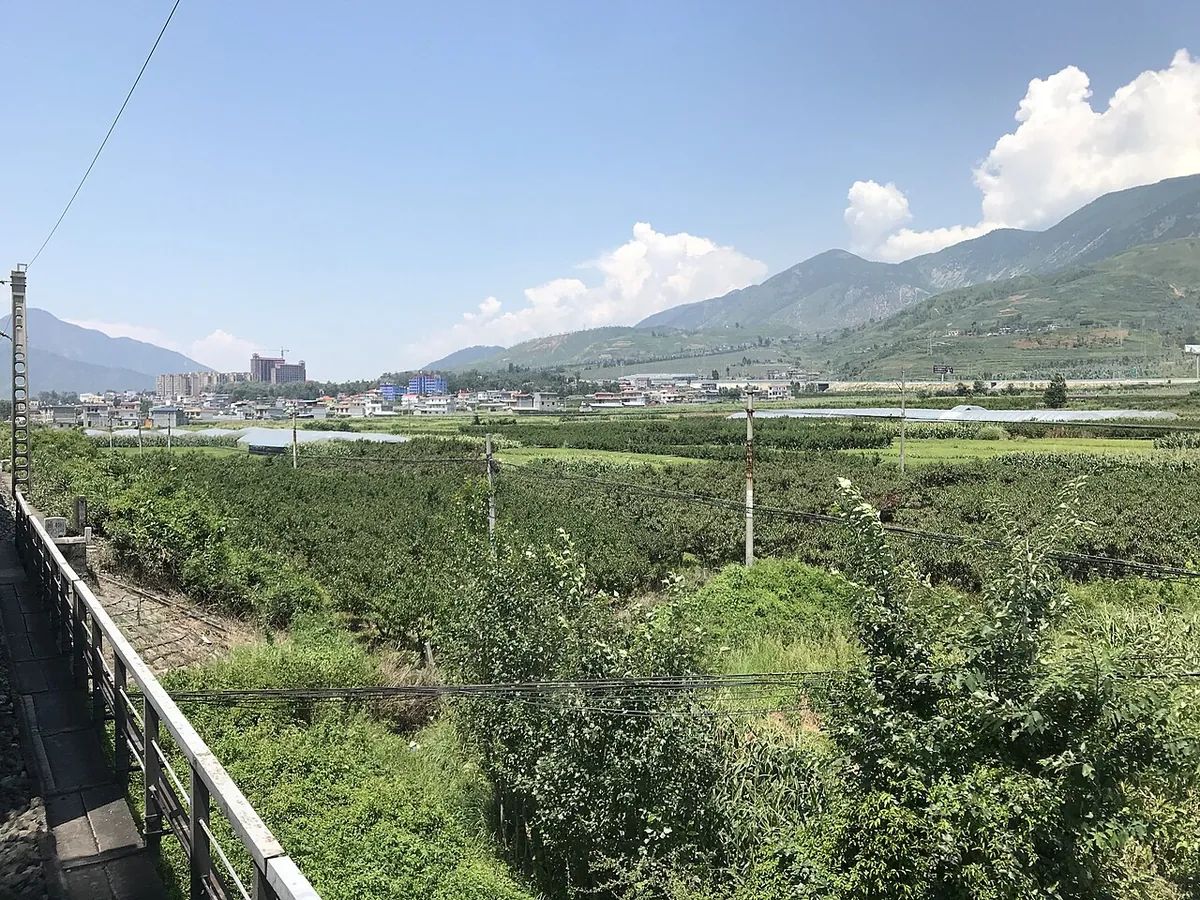
A 2001 geological study described the Maoniuping Mine (牦牛坪稀土矿) in Mianning, Sichuan, as China's second-largest light rare-earth deposit; honey-coloured bastnäsite and lustrous black aegirine are documented from the locality.
About Maoniuping REE Mineextended article
A world-class rare-earth specimen locality
Maoniuping, near Mianning in southern Sichuan, is one of the largest rare-earth-element deposits in China — a carbonatite–alkalic system mined primarily for light rare earths. Beyond its economic importance, it is one of the best localities in the world for crystallised REE and alkaline minerals.
What Maoniuping is known for
- Bastnäsite — tabular honey-brown to amber crystals among the world's finest
- Aegirine — lustrous black crystal sprays
- Fluorite, barite, and microcline
- Arfvedsonite and quartz
Collector value
Sharp tabular bastnäsite — especially gemmy, well-terminated crystals on contrasting microcline or fluorite — is highly prized, as are bold aegirine sprays. Crystal size, lustre, and matrix composition drive value.
Frequently asked questions
Where is Maoniuping REE Mine?
Maoniuping REE Mine is a mineral locality in Sichuan, China. It lies at approximately 28.6200°N, 102.1000°E.
What minerals are found at Maoniuping REE Mine?
Signature minerals from Maoniuping REE Mine include Barite, Microcline, Arfvedsonite, Fluorite, Bastnasite, Aegirine. The locality lies in Sichuan, China, and each mineral links to a full reference entry with formula, crystal system, and collector notes.
What is Maoniuping REE Mine known for?
A 2001 geological study described the Maoniuping Mine (牦牛坪稀土矿) in Mianning, Sichuan, as China's second-largest light rare-earth deposit; honey-coloured bastnäsite and lustrous black aegirine are documented from the local…
Looking for specimens from Maoniuping REE Mine?
Our inventory is one-of-a-kind and turns over quickly. Tell us what you're after and we'll notify you when a matching Maoniuping REE Mine specimen arrives from our sourcing network.
Request a specimen